

Jesus is the light of the world
HOMILY FOR FOURTH SUNDAY OF LENT A
Amazing grace, how sweet the sound, that saved a wretch like me! I once was lost, but now I'm found; was blind, but now I see. This well-known hymn was written by John Newton, who at one time had been the captain of a ship in the African slave trade. On 21 March 1748, a date he remembered yearly for the rest of his life, Newton experienced a conversion in which he realized the enormity of the evil in his life in general, and especially as a slave-trader. He left the ship, joined the seminary, and was ordained as a minister of the Church of England. This hymn is a personal testimony to his conversion from blindness and being lost. He had indeed been a spiritual wretch. He had been indifferent to the terrible exploitation of people as slaves and through an amazing grace his eyes were opened. And he worked for the abolition of slavery for the rest of his life.
The Gospel for this Sunday is again a spiritual masterpiece. When we come to these Gospel passages, and particularly passages from John's Gospel we need to look beyond the straightforward story to the deeper meaning. Even on the basic literal level, it is a magnificent story, but St John wants to teach a deeper spiritual truth using this story. And knowing this deeper spiritual truth that is being taught in this passage, we need to relate it to ourselves right here today as we are engaging with this text. God is saying something specific to each one of us through this text today.
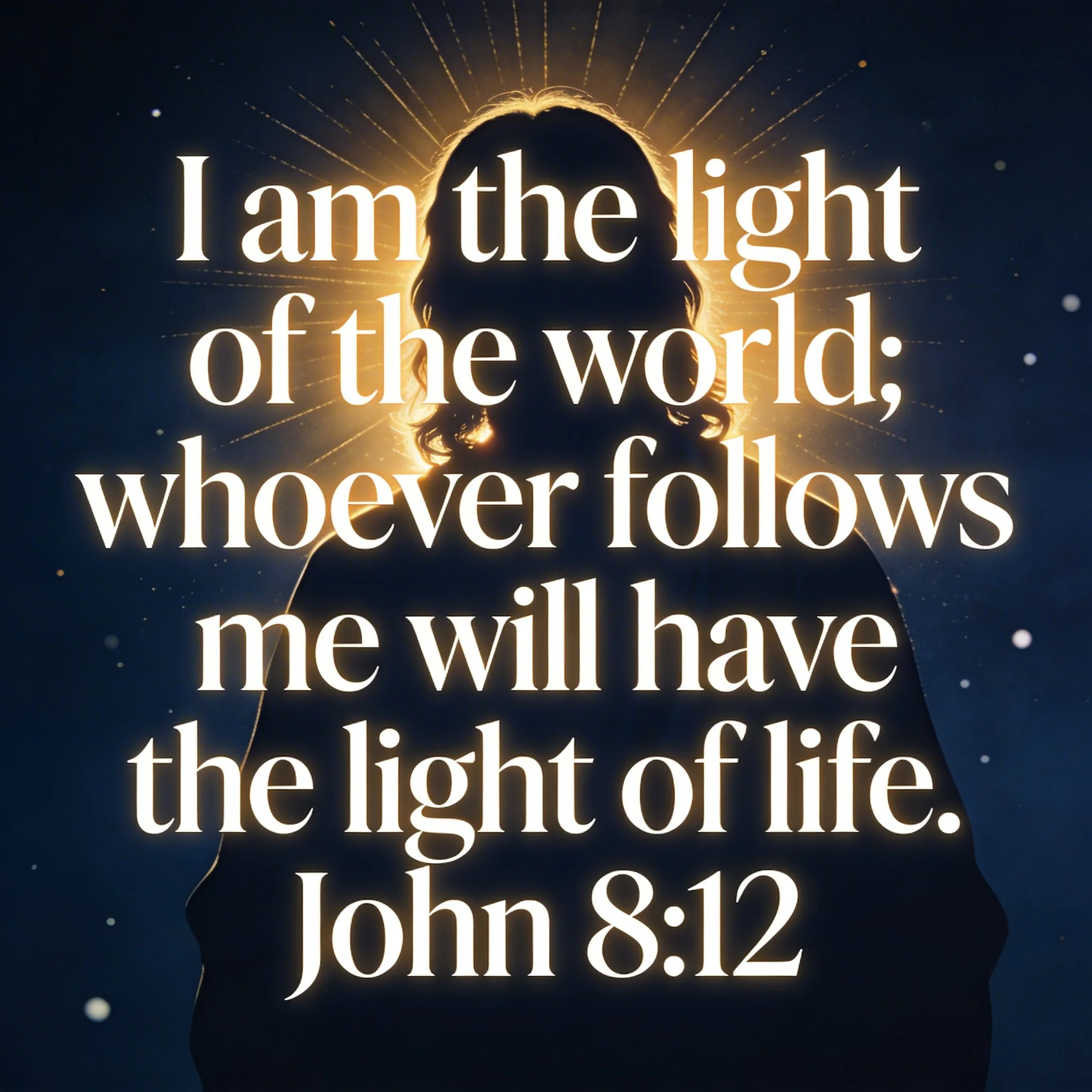
To start with, we should remember that over and over again in the New Testament, and particularly in the Gospel of John, physical sight is symbolic of spiritual sight, that is, faith; and similarly physical blindness is symbolic of spiritual blindness or lack of faith. In today's Gospel Jesus makes the bold statement, "I am the light of the world," The whole incident of the curing of the man born blind as St John tells us about it, serves to illustrate the teaching that Jesus is the light of the world. So, today's Gospel and the healing of the man born blind are an invitation for us to consider what it means to say that Jesus is the light of the world.
Progressive Development in Faith
There are two movements in the Gospel. The first movement concerns the man born blind and it is about his progressive development in faith. More and more he comes to know the person of Jesus Christ. More and more he is enlightened by the truth of Jesus' identity. His return to physical sight is a symbol of the light of faith which takes hold of him.
Notice that when he is first questioned about sight being given to him, he refers to the one who healed him as "the man called Jesus". He tells his neighbours and the people who had seen him begging earlier, that the man called Jesus made a paste, put it on his eyes and told him to wash in the pool.
Later when he is brought before the Pharisees, they question him about this cure on the Sabbath day. They ask him about the man who had opened his eyes, and he replies that Jesus 'is a prophet.' When questioned again later by the Pharisees as to who Jesus is, the man is able to make a simple theological deduction: he says that Jesus must be 'from God,' because God would not have listened to Jesus to cure him of his blindness if he were not from God.
Later, when Jesus finds him after he has been driven away by the Pharisees, Jesus asks him if he believes in the Son of Man. And now, the man makes the leap of faith. Having experienced the compassion of Jesus, he is willing to commit himself to the truth about Jesus. Not only does he make a statement of belief about Jesus as the Son of Man, the awaited Messiah, he addresses Jesus as Lord, Kyrios, the Greek word reserved for addressing God. The man says, "Lord, I believe" and he worships Jesus.
The second movement in the Gospel passage is a less inspiring one. The Pharisees, although they have physical sight, become more and more spiritually blind. Because of the hardness of their hearts, they remain in spiritual darkness.
Their first appearance in this Gospel is when the man born blind is brought to them after he has been cured. They simply refuse to accept that this act of compassion and kindness can be of God because it was performed on the Sabbath. So they subject even God to their Sabbath rules and laws. From their perspective, it is clear that Jesus cannot be 'from God' because he heals on the Sabbath.
Their spiritual blindness goes further. Their next step is to deny that the man had been blind in the first place. They call on his parents to testify. The parents testify that this is their son who had been blind from birth, but they are not prepared to comment on how he was healed for fear of the Pharisees.
Getting no satisfaction from that line, they resort to their own simplistic theological deductions. They work out that since this man had been born blind, he must have been a sinner from his birth, because blindness and other illnesses must be the result of personal sin. This position, which was common among the Jews of the time, was rejected and clarified by Jesus at the beginning of the Gospel text.
At the suggestion of the man born blind that the Pharisees become disciples of Jesus, they hurl abuse at him and drive him away. Their hearts become harder and harder as they become more and more spiritually blind.
Examining Our Own Blindness
The Pharisees missed the fact that God was working through Jesus. Even though it was a sign of the presence of the Messiah that sight would be given to the blind, and even though the man's parents testified that he was indeed born blind, they refused to see the work of God staring them in the face. By the end of the reading, it is clear that it is they are blind.
We need to examine ourselves in terms of our own blindness and need for conversion. We might easily say that we are not like the Pharisees; but we show our own hardness of heart when we do not recognise God working in our lives and in the lives of those around us, when we despair, when we refuse to forgive, when we are resentful and arrogant towards others. So, we ask ourselves, what is our blindness? In what ways do we stubbornly refuse to see as God sees, do we refuse to acknowledge the presence and working of God in our lives and in the lives of those around us.
We all have 'inner Pharisees' that sow doubt and confusion. Our 'inner Pharisee' is the part within us that remains focussed on our sinfulness and unworthiness, despite God's healing and forgiveness. The 'inner Pharisee' in us is more aware of our inner darkness and weakness than the presence and working of God. These inner Pharisees whisper slyly about our and others' faults and failings and shout us down with doubts. They insist that our sinfulness is a barrier to God's mercy. We need to ignore these 'inner Pharisees'. Instead, we need to be like the blind man: we must seek out the Lord and thank him.
Let's identify in our own lives with the coming to faith in the man born blind. He was moved by a personal encounter with Jesus. He has been enlightened by Jesus the light of the world. He has a new way of seeing. So, we can look at Jesus face-to-face. In the words of the old hymn, Turn your eyes upon Jesus. Look full in his wonderful face. And the things of earth will grow strangely dim. In the light of his glory and grace. We can experience the tender compassion of Jesus, like the man born blind. We can hear him saying to us as he said to the man born blind: "You are looking at him, he is speaking to you." And we can respond, "Lord I believe," and we can worship him.
We want to be able to say that not only is Jesus the light of the world, but he is the light of our world. Like John Newton, our encounter with Jesus prompts a profound conversion of heart, an enlightening of our eyes. His amazing grace is the cure for our blindness.
